Timeless Floral Artistry for Wedding and Stationery Design
There's a particular magic in watercolor art—it captures the delicate, organic beauty of nature with a softness that feels both artistic and intimately personal. When applied to floral motifs, this medium creates designs that are elegant, timeless, and full of life. For anyone involved in creating wedding materials, branding, or beautiful printables, having a versatile collection of such artwork can be a game-changer. This is where a thoughtfully curated set of watercolor botanical illustrations becomes an indispensable creative asset.
More Than Just Pretty Pictures
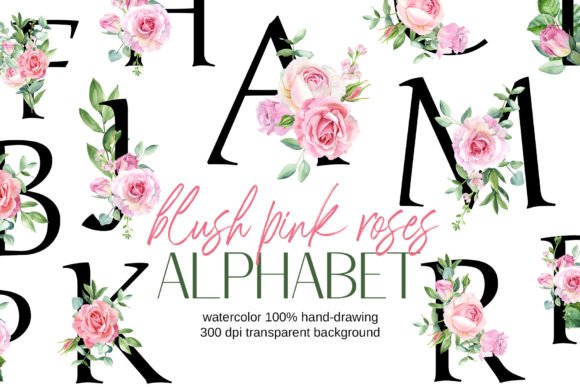
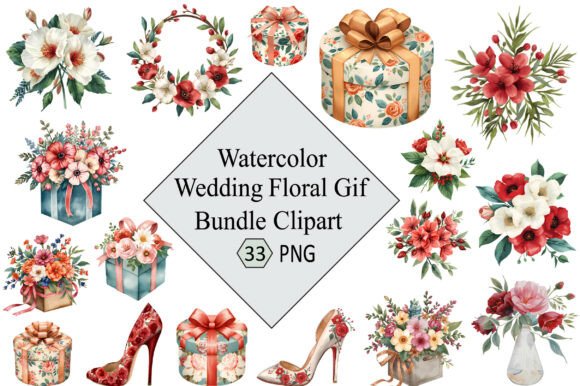
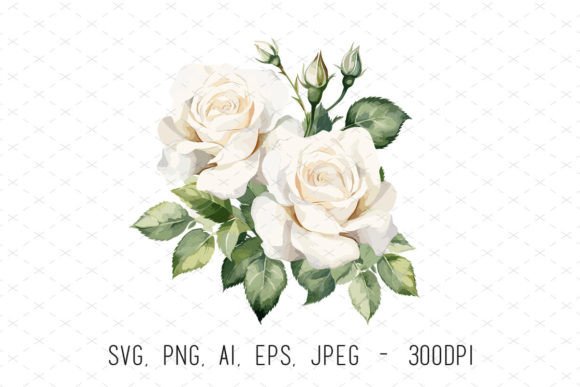
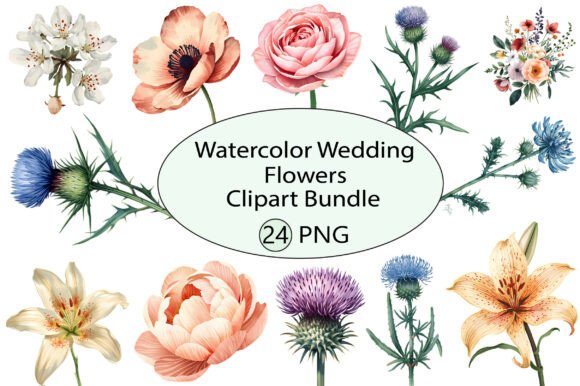
A bundle of watercolor wedding flowers is far more than a simple clipart collection. It's a toolkit for building a cohesive visual narrative. Imagine a suite of 24 high-quality PNG files, each featuring transparent backgrounds and a high resolution of 300 DPI. This technical foundation means the illustrations are crisp and professional, ready for both digital screens and high-end print production. The true value, however, lies in the artistic consistency. Each piece—from a single rose bloom to a complex arrangement of lilies, peonies, and thistles—shares the same soft color palette and realistic watercolor texture. This harmony allows you to mix and match elements across different projects without the final result looking disjointed or amateurish.
This kind of visual consistency is the bedrock of strong brand recognition. Whether you're a wedding planner designing your own stationery suite or a small business owner creating a feminine product line, using these botanicals repeatedly builds a recognizable aesthetic. Customers begin to associate that specific floral style with your brand, fostering a sense of trust and professionalism.
Practical Applications for Creatives and Entrepreneurs
The uses for such a floral asset are incredibly diverse, extending well beyond traditional wedding invitations. For graphic designers and branding specialists, these watercolor elements can form the core of a brand's identity system. Think of them as a versatile design font, but in visual form. They can be used to create custom logos, design elegant packaging for cosmetics or artisanal goods, or craft social media templates that stop the scroll. The soft, botanical theme works beautifully for businesses in the wellness, beauty, floral, and lifestyle sectors.
For content creators and bloggers, the applications are equally practical. A single watercolor peony can accent a blog header, while a delicate arrangement can frame a featured image. These assets can transform standard Pinterest graphics or Instagram stories into polished, professional-looking pieces that elevate your content's perceived value. They're perfect for creating printable wall art, digital planners, or journaling kits—digital products that can be sold on platforms like Etsy or Creative Market.
Small business owners will find them invaluable for marketing materials. A cohesive set of flyers, thank you cards, or product tags using the same floral motifs creates a polished customer experience from first contact to final purchase. Even for personal projects, like creating custom scrapbook pages or family event invitations, the quality and beauty of these illustrations add a meaningful, handcrafted touch.
Integrating Florals with Typography and Layout
The real artistry comes in how you combine these watercolor elements with other design components, particularly typography. The key is to let the florals complement, not compete with, your text. A busy floral background paired with an overly decorative script font can quickly become illegible. Instead, consider using the watercolor flowers as subtle accents—a border, a corner detail, or a faded background texture—to frame cleaner, more readable typography.
For example, pair a bold, modern sans serif font for headlines with a delicate handwritten script for subheadings, and use the floral illustrations as dividers or spot illustrations. This creates a dynamic hierarchy that guides the viewer's eye. When designing for print, like wedding invitations, testing font pairings is crucial. Print a sample to ensure the font remains legible at the intended size and that the colors of the florals reproduce accurately. The high-resolution nature of these PNG files ensures they hold up to this scrutiny.
Think about the mood you want to convey. For a classic, romantic brand, you might lean into the full floral arrangements. For a more minimalist, modern aesthetic, isolate a single stem or a small cluster of berries and thistles. This flexibility is a major strength, allowing the same asset bundle to serve vastly different creative visions.
Key Considerations for a Smooth Creative Process
Before diving into a project, a few practical considerations will save you time and ensure professional results. First, always review the licensing terms of any design asset. For commercial projects, you need to be certain the bundle allows for use in products for sale, on merchandise, or in client work. Reputable resources provide clear licensing that covers both personal and commercial use, giving you peace of mind.
Second, organize your files. With 24 elements, it's helpful to create a system—perhaps sorting by flower type (roses, peonies) or by complexity (single blooms, full arrangements). This makes finding the right piece during the design process much more efficient. Finally, don't be afraid to experiment with opacity, layering, and color adjustments. While the soft watercolor palette is beautiful as-is, subtly shifting the hue or saturation can help you match specific brand colors or seasonal themes.
In the end, a quality set of watercolor wedding flowers is more than a decorative asset; it's a tool for storytelling. It provides the visual language to communicate elegance, nature, and care, allowing you to build beautiful, consistent, and engaging designs that resonate with your audience and stand the test of time.